A Boot Collector Guide
Foot Measuring for Cowboy Boots
Custom boots often start from a standard size, then get adjusted to the specific person wearing them. Measuring your own feet thoroughly — and comparing those numbers to the boot in front of you — is the best way to know whether a "standard size" listing will actually fit.
Nine Measurements to Take
- Heel height
Floor to the top of the heel/sole leather.
- Shaft height
Inside the boot, from the heel to the top of the shaft or pull tabs.
- Ball of the foot width
The widest point side to side across the ball of the foot.
- Heel width
Side to side across the middle of the heel.
- Heel-to-toe length
From the inside of the heel to the natural toe area — don't include the pointed tip of a snip or pointed toe, since that area is purely decorative.
- Ball of the foot circumference
All the way around the widest part of the ball of the foot.
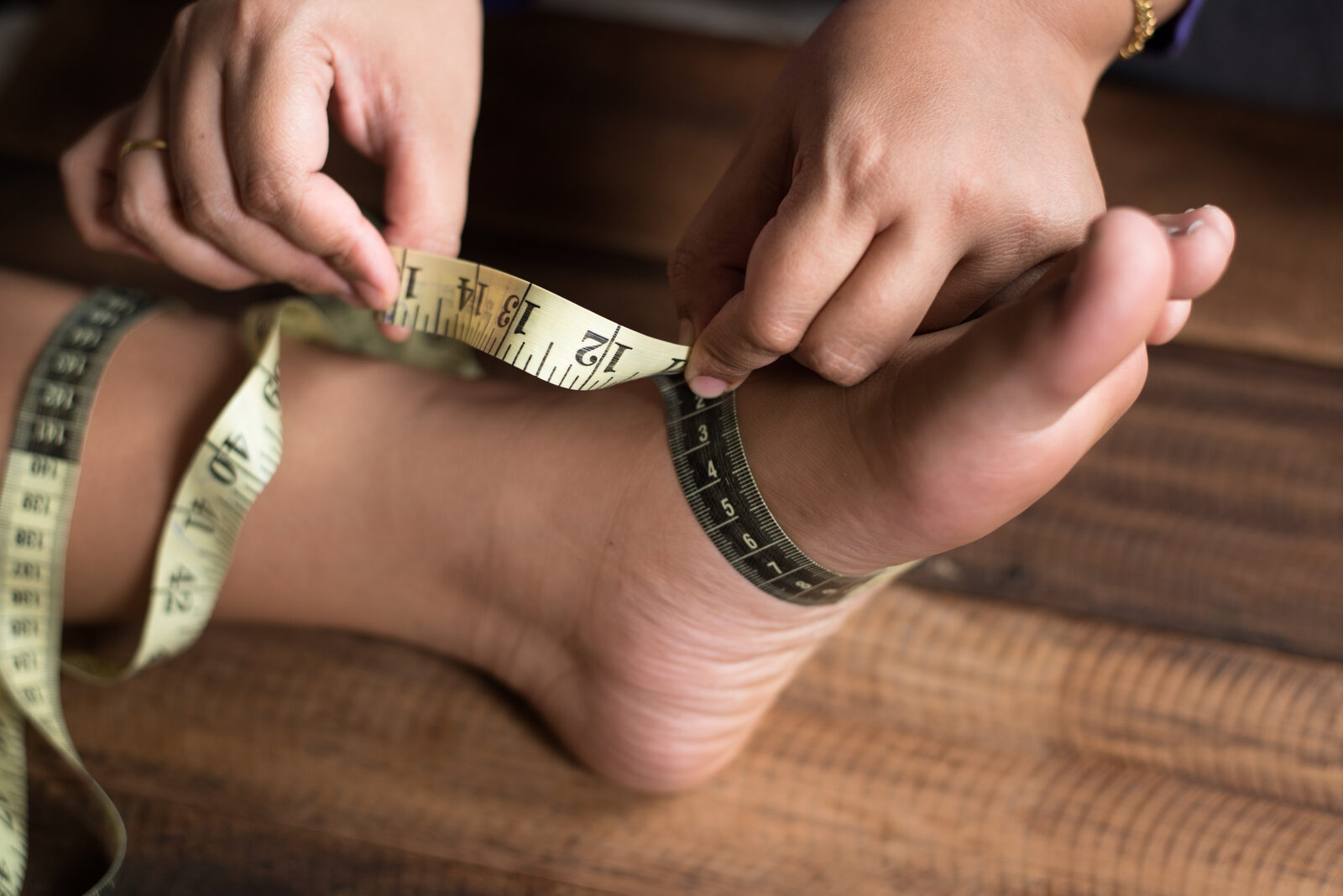
- Ankle circumference
From the front of the ankle where it meets the top of the foot (the vamp area), around to the farthest point of the heel. This is the trickiest measurement and the one most likely to keep a foot out of an otherwise "right-sized" boot — a cobbler can typically stretch a boot by a half inch, sometimes up to a full inch, if this measurement comes up just short.
- Calf circumference
Around the thickest part of the center of the calf. For larger calves, a bootie or peewee-style shaft sidesteps the fit problem entirely.
- Validate against a boot you already own
Compare against like-kind boots — measuring a work boot to size a thin, less bulky dress boot (or the reverse) can throw off the comparison.
If a Pair Is Close But Not Perfect
If boots you love measure a touch big, a comfort insert or a thicker pair of socks can close the gap. If they're a little snug but built from a finer, thinner leather, a bit of wear — or a visit to a cobbler for stretching — can often get them there. See our boot sizing guide for how these measurements translate across US, European, and Mexican sizing.